
The 10 Best Memory Care Facilities in Maryland
Finding the Right Memory Care in Maryland: What Families Need to Know
Memory care in Maryland is available across 158 communities statewide — ranging from large urban campuses to small boutique residential homes. If you’re trying to find the best option quickly, here’s a snapshot:
Top things to know about Maryland memory care:
- There are 158 memory care communities in Maryland
- 30 communities have been rated “best” by U.S. News, based on nearly 450,000 resident and family survey responses
- Top cities include Baltimore, Silver Spring, Frederick, Bethesda, Columbia, and Annapolis
- Costs vary widely; some suites start around $9,195/month
- Medicare does not cover long-term residential memory care costs
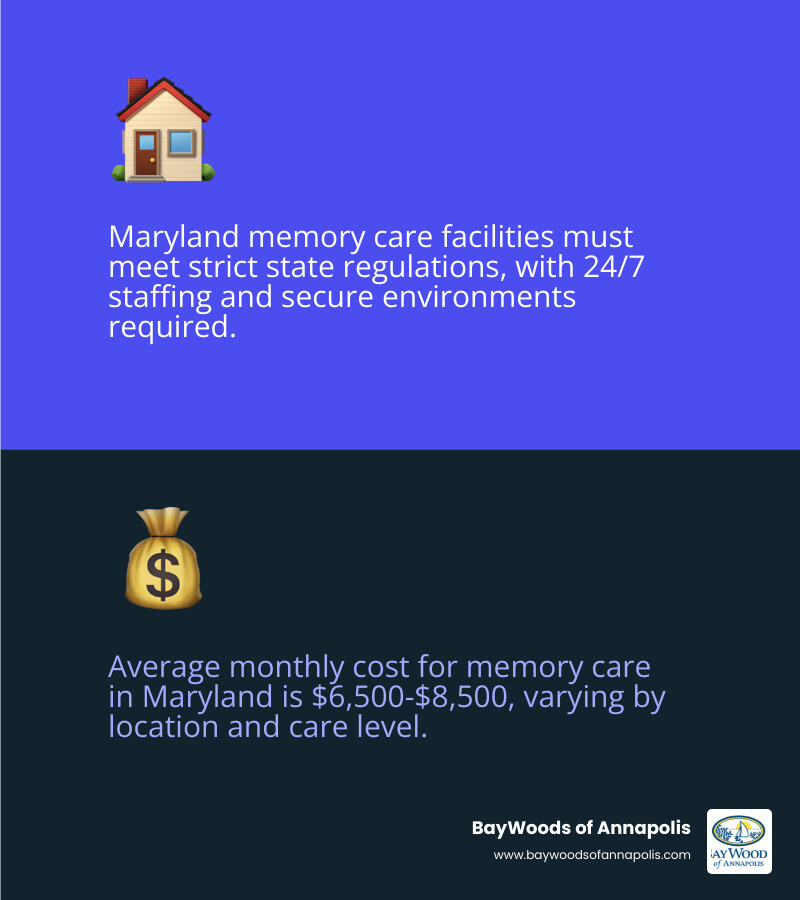
- The best communities offer 24/7 supervision, secure environments, and personalized care plans
Choosing memory care for a loved one is one of the hardest decisions a family can make. You want safety. You want dignity. And you want to know your loved one will still experience joy and connection — not just clinical support.
The good news? Maryland has some of the strongest memory care options in the country. Many communities go far beyond basic care, offering specialized dementia programs, therapeutic activities, and environments thoughtfully designed to reduce confusion and promote well-being.
This guide covers the top facilities, what they offer, what they cost, and what to look for — so you can make a confident, informed decision.
Understanding Memory Care Maryland: Services and Standards
As of May 2026, the landscape for Memory care Maryland has evolved significantly to meet the needs of an aging population. Currently, there are 158 communities across the state specifically licensed to provide memory care services. These facilities are not just “locked wings” of a nursing home; they are specialized environments designed to support those with Alzheimer’s, vascular dementia, and other cognitive impairments.
According to data from Memory & Dementia Care in Maryland – Health US News, the highest-rated facilities prioritize resident and family satisfaction across categories like safety, value, and caregiving quality. A hallmark of these top-tier homes is the “person-centered care” model. This approach moves away from rigid institutional schedules and instead tailors the day to the resident’s personal history, preferences, and current cognitive abilities.
Key standards families should expect in Maryland include:
- 24/7 Professional Supervision: Licensed nurses and trained caregivers are on-site around the clock.
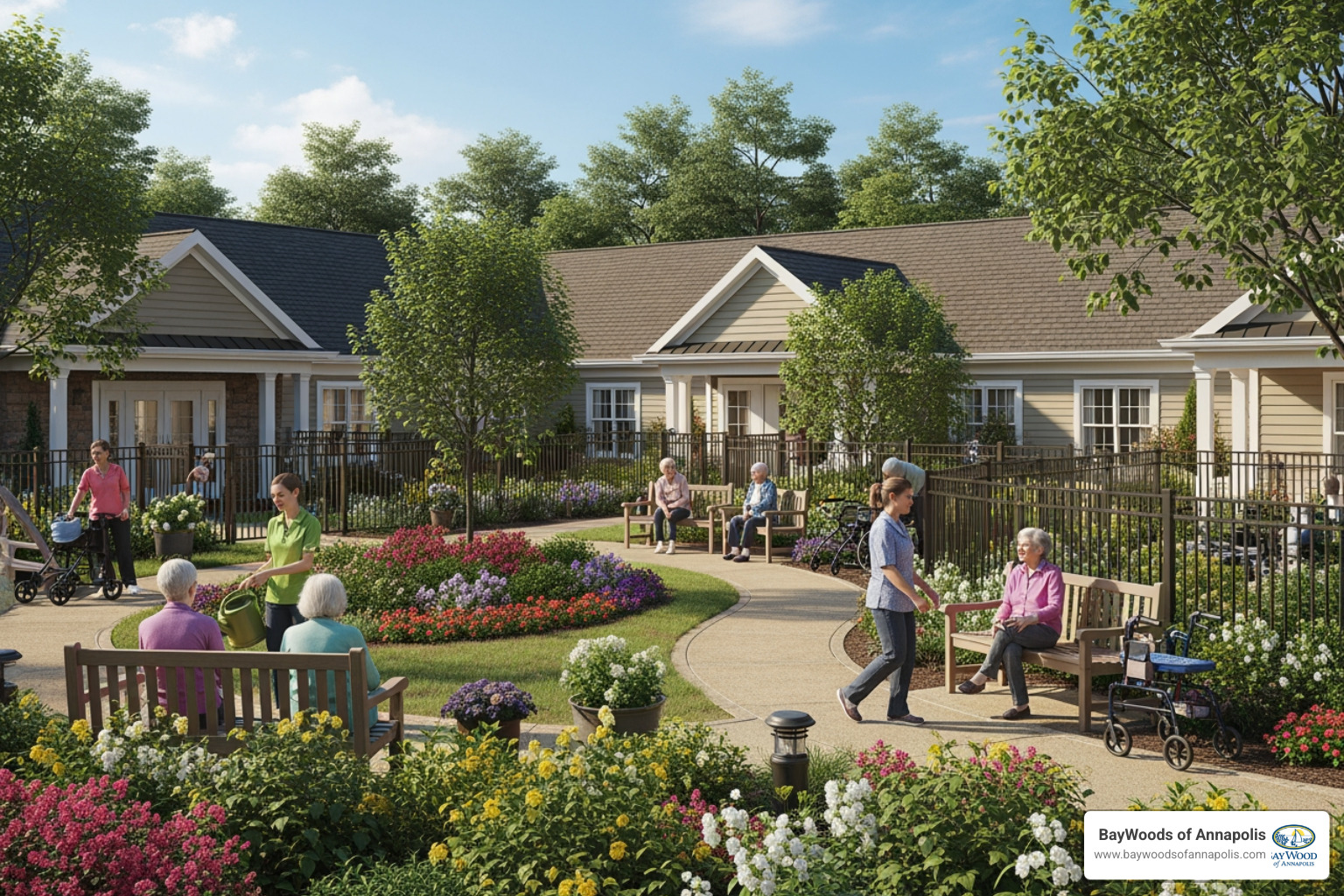
- Secure Environments: Features like Wander Guard systems and secure outdoor courtyards allow residents to move freely without the risk of getting lost.
- Specialized Training: Staff often hold certifications such as Certified Dementia Practitioner (CDP) status.
How Memory Care Maryland Differs from Assisted Living
While both offer help with daily tasks, Memory care Maryland provides a higher level of specialized support. In a standard assisted living environment, residents may have some cognitive slips but generally retain the ability to navigate the building and manage their own safety. Memory care is necessary when cognitive decline reaches a point where 24-hour supervision is required for safety.
| Feature | Assisted Living | Memory Care |
|---|---|---|
| Supervision | Occasional / As needed | Constant 24/7 monitoring |
| Environment | Open / Easy access | Secure perimeters / Keypad entries |
| Staff Training | General senior care | Specialized dementia training |
| Activities | Social / Recreational | Cognitive / Therapeutic |
| Navigation | Standard layouts | Color-coded / Wayfinding cues |
For a deeper dive into the specific clinical supports available, you can find more info about memory care services provided by leading Maryland organizations.
Top-Rated Regions for Memory Care Maryland
Maryland’s diverse geography means families can choose between urban, suburban, and waterfront settings. The highest concentration of top-rated memory care services is found in:
- Annapolis and Anne Arundel County: Known for high-quality care and beautiful coastal environments.
- Baltimore and Baltimore County: Home to many long-standing, respected medical-model facilities.
- Montgomery County (Silver Spring, Bethesda, Olney): Offers a high density of boutique “small house” residential options.
- Howard County (Columbia): Features innovative communities that use immersive sensory technology.
Evaluating the Best Memory Care in Maryland: Costs and Ratings
When evaluating options, data is your best friend. In 2025 and 2026, U.S. News analyzed data from nearly 450,000 resident and family survey responses across the country. In Maryland, 30 communities emerged as the “best,” achieving high marks in safety, value, and food quality.
The Financial Reality: Cost is often the biggest hurdle for families. In Maryland, Montessori-Inspired Living is generally more expensive than standard assisted living due to the higher staff-to-resident ratios.
However, many Maryland providers are moving toward all-inclusive pricing. This model is highly beneficial for families because the daily or monthly rate covers everything—medication administration, laundry, personal care, and meals—without extra “level of care” charges as the disease progresses.
Financing the Move: It is crucial to understand that Medicare does not cover the room and board costs for long-term residential memory care. It may cover specific medical services or therapies provided within the facility, but the bulk of the cost is usually private pay. Families often bridge the gap using:
- Long-Term Care Insurance: Most policies cover memory care.
- Veterans Benefits: The VA Aid and Attendance pension can provide significant monthly support for eligible veterans and spouses.
- Life Settlements: Converting a life insurance policy into a long-term care benefit.
Key Features of Leading Dementia Care Programs
The best memory care in Maryland communities distinguish themselves through innovative, evidence-based philosophies. They don’t just “manage” residents; they help them thrive.
1. Immersive Environments and Sensory Design Leading facilities use sensory elements to calm and engage. This includes “Harmony Park” concepts that bring the outdoors inside, or color-designated suites that help residents recognize their own front doors. Some even use “memory boxes” outside apartments—small glass cases filled with personal photos and mementos to help a resident identify their home.
2. Specialized Staff Accreditations Look for communities where all clinical staff are Certified Dementia Practitioners (CDP). This indicates that the team has undergone advanced skills training beyond the state’s minimum requirements. Some facilities in Maryland have even earned the “Purple Flag for Dementia Care” accreditation, a rigorous standard developed by healthcare experts.
3. High-Tech Cognitive Therapy Maryland is a hub for medical innovation, and this extends to senior living. Top amenities now include:
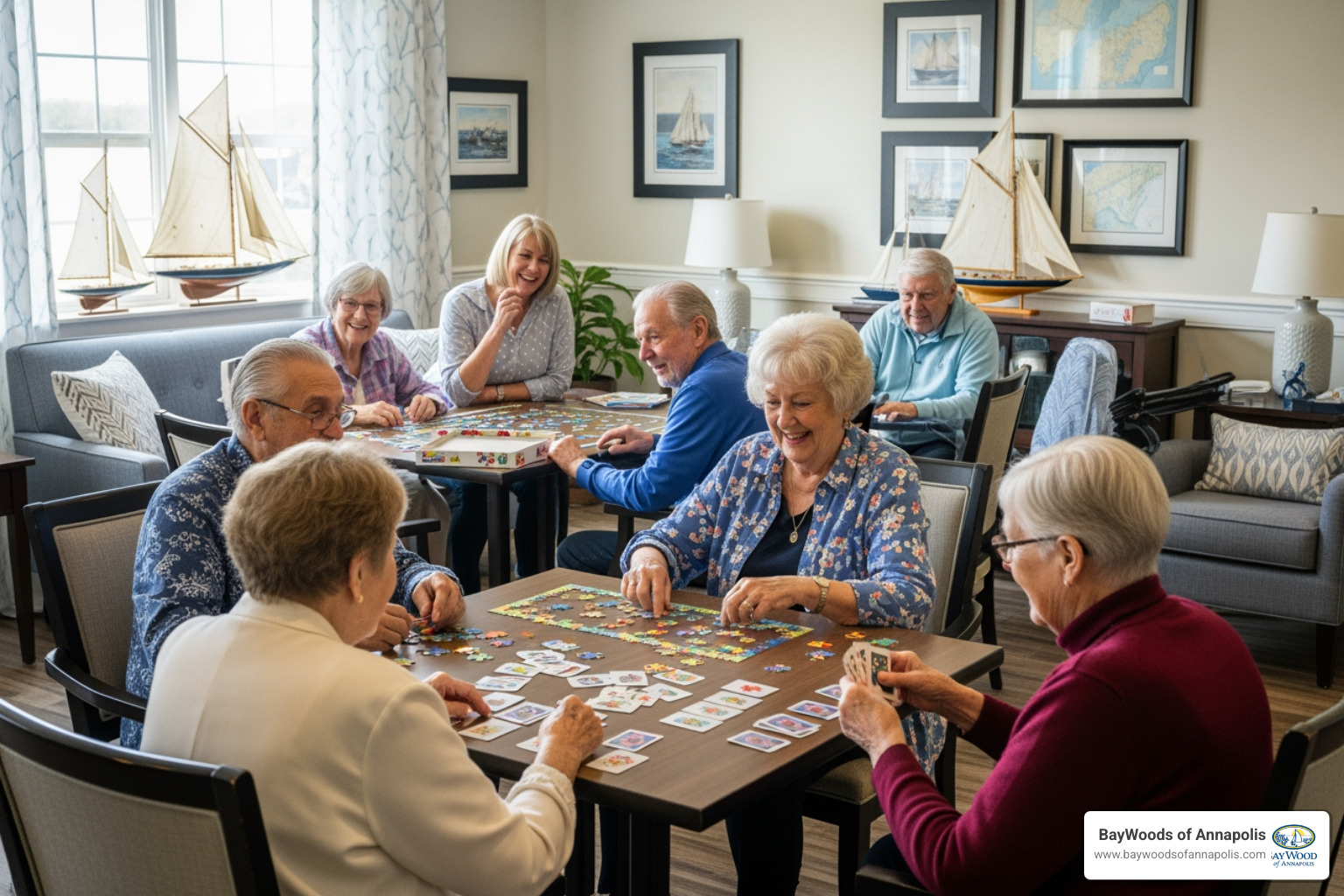
- Tovertafel (Magic Table): An interactive light projection system that residents can “touch” to play games, stimulating cognitive activity and social joy.
- SingFit Therapy: A program that combines music, movement, and reminiscence to boost mood and memory recall.
- MoCA Assessments: Regular cognitive screenings (Montreal Cognitive Assessment) to track the progression of the disease and adjust care plans accordingly.
When to Consider Professional Memory Support
Deciding when to move is often more difficult than deciding where. Professionals suggest looking for a decline in “Activities of Daily Living” (ADLs) and safety concerns.
Signs it is time for memory care:
- Wandering: If your loved one has walked out of the house and become disoriented, the risk of a dangerous incident is high.
- Hygiene Decline: Forgetting to bathe, change clothes, or brush teeth.
- Caregiver Burnout: If the primary caregiver is experiencing health issues, depression, or extreme exhaustion, it is no longer a sustainable situation for either person.
- Medication Errors: Skipping doses or double-dosing because they can’t remember if they took their pills.
- Aggression or Anxiety: Dementia can cause “sundowning,” where confusion and agitation increase in the late afternoon.
Professional Memory care Maryland provides a structured routine that often reduces these behavioral symptoms, giving both the resident and the family peace of mind.
Regulatory Standards and Safety in Maryland
In Maryland, memory care facilities are regulated by the Maryland Department of Health. They must meet specific licensing requirements for assisted living, with additional “Level 3” designations for those providing high-level dementia care.
Safety is paramount. Most modern communities utilize Wander Guard systems, which are discreet bracelets that alert staff if a resident nears an exit. However, safety isn’t just about locks; it’s about the staff-to-resident ratio. In boutique Maryland homes, you might find ratios as low as 1:3 during the day, ensuring that someone is always available to redirect or comfort a resident.
Furthermore, the state encourages a holistic well-being framework. This means inspectors look for more than just clean floors; they look for social engagement, nutritional monitoring, and the presence of licensed nurses who can manage medical needs on-site, reducing the need for stressful hospital visits.
Frequently Asked Questions about Maryland Memory Care
Does Medicare cover memory care in Maryland?
No, Medicare does not cover the long-term residential costs (room and board) of memory care. It will cover medical expenses like doctor visits, physical therapy, and some home health services, but the monthly fee for the memory care community itself is typically paid for out-of-pocket or through long-term care insurance.
What is the average staff-to-resident ratio in Maryland memory care?
While it varies by facility, top-rated memory care providers often maintain a daytime ratio of 1:3 or 1:5. In larger institutional settings, the ratio may be higher, but specialized dementia neighborhoods prioritize lower ratios to ensure personalized attention and safety.
Conclusion
Maryland offers a wealth of high-quality options for families facing the challenges of Alzheimer’s and dementia. From the innovative sensory parks in Columbia to the boutique residential homes in Montgomery County, the emphasis is increasingly on dignity, purpose, and joy.
For those seeking a premier experience in the state’s capital, BayWoods of Annapolis stands as a unique option. As a resident-owned Continuing Care Retirement Community (CCRC), BayWoods offers the stability of resident governance alongside high-end healthcare services. Located at 7101 Bay Front Drive, it features the largest waterfront apartments on the Chesapeake Bay, providing a serene environment that is both beautiful and functional for seniors at all stages of their journey.
If you are ready to take the next step in securing a safe, vibrant future for your loved one, you can Find a Memory Care Home in Maryland that aligns with your family’s values and needs.